
How Endometriosis Affects Fertility: Common Questions Answered by a Fertility Specialist
March is Endometriosis Awareness Month, shining a spotlight on a condition that affects 1 in 10 women of reproductive age. Celebrities like Emma Roberts and Mandy Moore have opened up about their struggles with endometriosis — but what exactly is it, and how can it impact your fertility?
In this blog, fertility consultant Dr. Omar answers frequently asked questions about endometriosis and fertility, helping you understand the condition, its symptoms, and the treatment options available.
What Is Endometriosis?
Endometriosis is a condition where tissue similar to the inner lining of the uterus (called the endometrium) grows outside of the womb. These endometrial-like cells can be found on the ovaries, fallopian tubes, and even the bladder or bowel, causing pain, inflammation, and sometimes fertility issues.
Does Endometriosis Impact Fertility?
A diagnosis of endometriosis doesn’t mean you’ll be unable to have children. Many women with mild to moderate endometriosis conceive naturally. However, more severe cases can impact fertility by interfering with ovulation, egg quality, or embryo implantation.
How Does Endometriosis Affect Fertility?
Endometriosis can affect your chances of getting pregnant in several ways:
It may block or damage the fallopian tubes
It can cause inflammation in the pelvic area, affecting fertilization
It may reduce egg quality
It can make embryo implantation more difficult
The extent of these effects often depends on the severity and location of the endometrial tissue.

What Are the Common Symptoms?
The symptoms can vary widely and often overlap with other conditions, making it challenging to diagnose. Common symptoms include:
Chronic pelvic or lower back pain
Pain during or after intercourse
Heavy or irregular menstrual bleeding
Fatigue and low energy levels
Difficulty getting pregnant
Depression or anxiety linked to chronic pain
If you experience multiple symptoms, it’s important to speak with your doctor or a gynaecologist.
Is Endometriosis Easy to Diagnose?
Not always. Diagnosing endometriosis can be tricky because its symptoms often mimic other health issues such as irritable bowel syndrome (IBS) or pelvic inflammatory disease (PID).
Dr. Omar recommends consulting your GP if you’re experiencing persistent or multiple symptoms. A specialist may recommend an ultrasound or laparoscopy to confirm the diagnosis.
What Are the Treatment Options?
There are several treatment options depending on your symptoms and whether you’re trying to conceive:
Pain management: Over-the-counter or prescription painkillers
Hormonal therapy: Birth control pills or hormone-regulating medications
Laparoscopic surgery: To remove or reduce endometrial tissue
Advanced surgery: In extreme cases, surgery to remove affected organs may be considered
Each treatment has its own benefits and risks, and your gynaecologist will help you decide on the best approach for your individual needs.
Could Egg Freezing Be A Option?
Endometriosis may reduce ovarian reserve, the number and quality of eggs available for fertilisation. For women planning a future pregnancy, particularly if endometriosis is advanced, egg freezing may be worth considering.
Dr. Omar emphasises the importance of early diagnosis and proactive fertility planning to preserve your reproductive choices.
Final Thoughts
While endometriosis can make conception more challenging, it doesn’t make it impossible. With the right treatment and fertility support, many women go on to have successful pregnancies.
If you’re concerned about how endometriosis may be affecting your fertility, speak with a specialist and explore your options — from treatment to fertility preservation strategies like egg freezing.
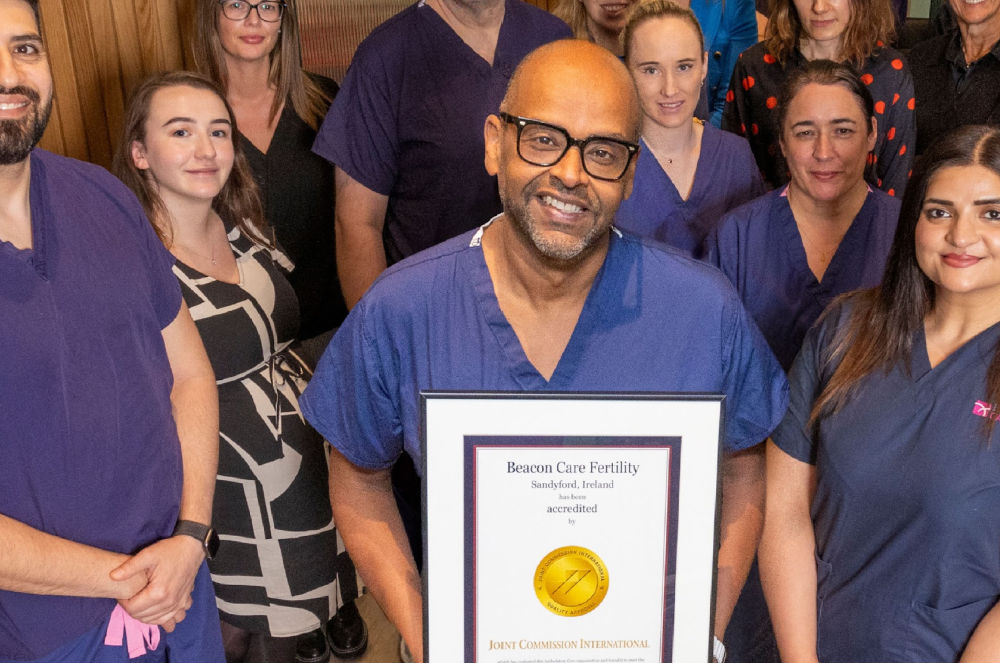
Expert Fertility Advice
While endometriosis can affect fertility, many people go on to conceive with the right treatment and support.
Our Consultants have decades of experience helping patients with endometriosis achieve their family goals.